

Why Pelvic Health Deserves a Whole-Body Approach
When it comes to pelvic floor health, it’s rarely just one thing. That’s why we take a whole-body approach here— because lasting change doesn’t happen in isolation. It’s not just about squeezing muscles or following a rehab plan — it’s about understanding how every part of your daily life plays a role.
A well rounded approach needs to consider and address:
- ✔️ Posture and alignment — stacked ribs over pelvis = better pressure management
- ✔️ Breathing and ribcage mobility — to regulate intra-abdominal pressure and calm the nervous system
- ✔️ Nutrition and hydration — because what you eat (and drink) impacts bladder and bowel function
- ✔️ Stress and tension — since the pelvic floor mirrors your emotional state
- ✔️ Bladder irritants — like caffeine, acidic foods, or carbonated drinks
- ✔️ Products you use — especially lubricants that come in direct contact with the vaginal and pelvic floor tissues
And that’s where a critical piece is often overlooked — the personal care products we use. These can directly impact the health and behavior of your pelvic floor muscles, especially when they disrupt the vaginal environment. Let’s take a closer look at why that matters.
First, What Is Vaginal pH and Why Does It Matter?
Your vagina is a finely tuned ecosystem with a naturally acidic pH between 3.8 and 4.5. This environment supports healthy bacteria (Lactobacillus) and keeps harmful bacteria and yeast in check.
But when that balance is thrown off — due to hormones, soaps, lubricants, other personal care products or even semen — it can trigger symptoms like:
- 🔥 Burning or itching
- 😣 Vaginal dryness or irritation
- 📈 Increased risk of infections (yeast or BV)
- Triggered pelvic floor tension, because when tissue feels threatened, muscles guard and clench.
Choosing a lubricant that respects your vaginal pH is one of the simplest ways to protect your pelvic and vaginal health — whether you’re using it during rehab, sex, or just daily dryness.
The Low-Down on Lube: Which Type Is Right for You?
There are three main types of personal lubricant: water-based, oil-based, and silicone-based. Each one has different properties and impacts — especially when it comes to pelvic health.
💧 Water-Based Lubricants
- What’s inside? Water, sometimes thickening agents or preservatives — choose one with minimal ingredients, and skip glycerin, phthalates, or parabens. The less ingredients the better
- Pelvic Floor Perks: Matches the vagina’s natural pH, making it ideal for those prone to yeast or BV.
- Best For: Pelvic floor tools, latex condoms, and all sex toys.
- Note: May require more frequent reapplication due to quicker absorption.
🥥 Oil-Based Lubricants
- What’s inside? Natural oils like coconut or mineral oil.
- Pelvic Floor Considerations: Great longevity, but can disrupt pH and increase yeast risk in sensitive users while other bodies tolerate it well without disruption.
- Best For: External use or with non-latex condoms.
- Note: Long-lasting and silky, but not safe with latex.
✨ Silicone-Based Lubricants
- What’s inside? Silicone compounds that stay slick for a long time.
- Pelvic Floor-Friendly? Yes — they’re pH neutral and non-irritating.
- Best For: Latex condoms and most toys (but avoid with silicone devices).
- Note: Can be messier and harder to wash off — soap and water required.
Final Thoughts: What I Recommend
From a pelvic health perspective, water-based lubricants are often the safest and most versatile choice — especially if you’re experiencing dryness, working through pelvic rehab, or want to support your vaginal pH.
However, some people prefer the longevity of oil or silicone-based options — and that’s okay too. The most important thing is to listen to your body:
- Does it feel soothing or irritating?
- Do you notice any change in discharge or scent?
- Are you using it with toys, partners, or for daily comfort?
A simple change in product can make a big difference in how your pelvic floor feels.
One Brand I Trust
I personally recommend Coconu— an organic, pH-friendly brand that’s free from common irritants and thoughtfully designed for both rehab and intimacy. It supports your health rather than working against it. Use code CAROLINEP for 15% off.
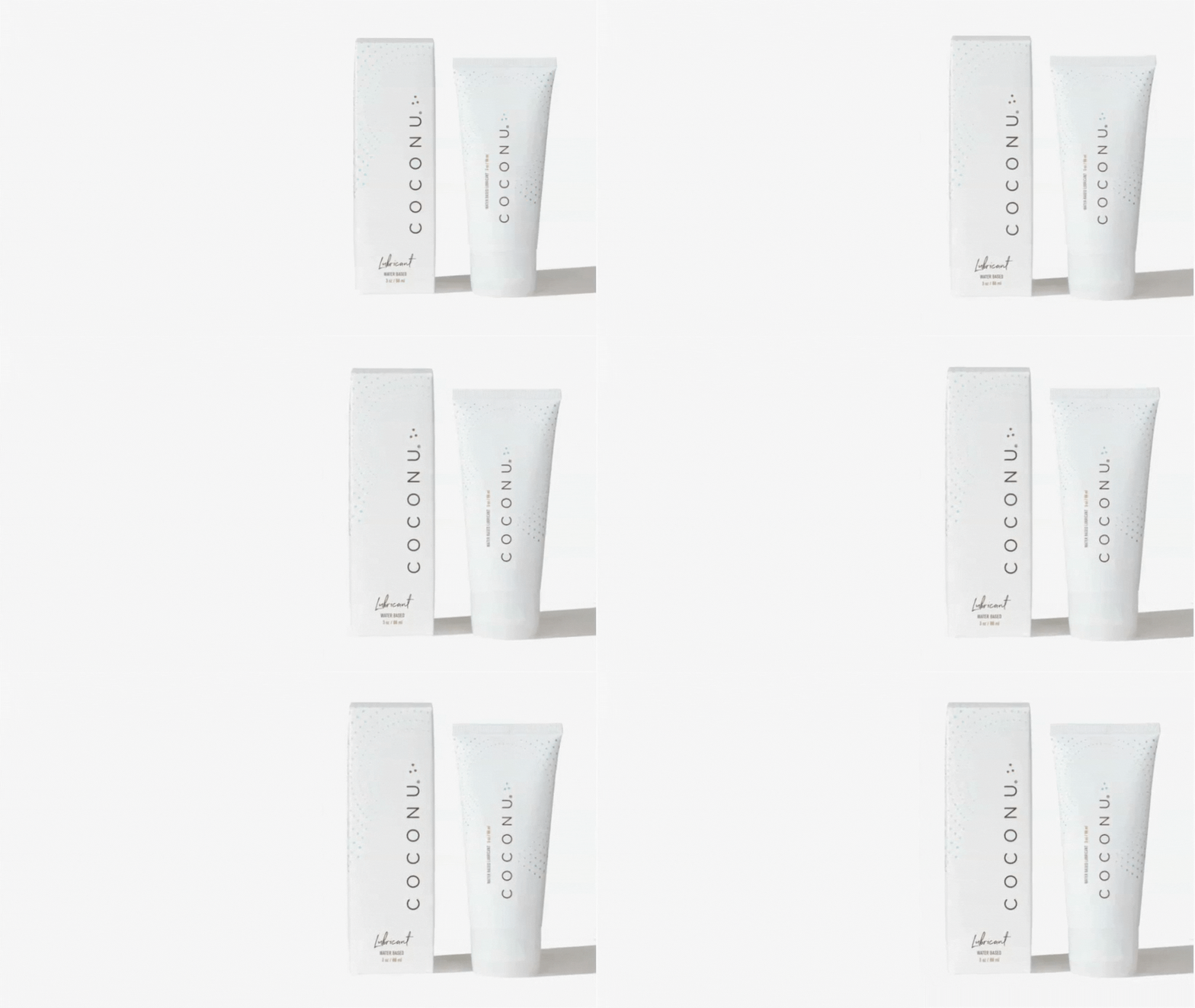
Because when you’re investing time and effort into your pelvic floor… the products you use should be part of the healing, not the problem.
Leave a Reply



Reclaim your strength today
Stop managing symptoms and start building real solutions with our pelvic floor workouts and exercises for women.
Learn more
HSA/FSA eligible
