
Caroline Packard is a pelvic floor physical therapist, certified yoga instructor, fitness enthusiast, and mom of three. Today, as a pelvic floor physical therapist with 15+ years of clinical expertise, she has built a method grounded in both professional knowledge and lived experience. Connect exists because every woman deserves to feel strong, confident, and limitless in her body.
Meet Caroline

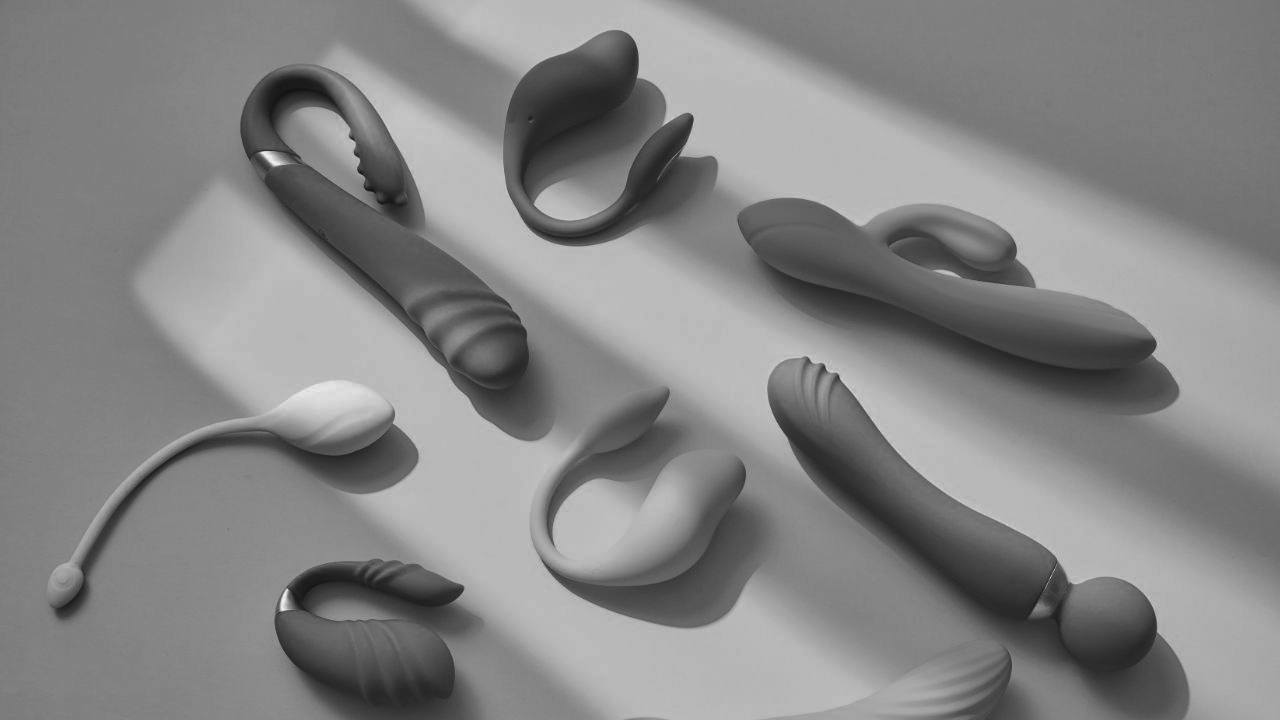
Question 1: What do You think about Kegel devices, including the various chairs on the market?
Answer: If you missed my video last week, I listed 5 reasons why I don’t favor those fancy devices.
If I had to choose, I would prefer someone use the electronic device that senses pelvic floor movement over the chairs. At least the inserted device could be helpful for you to feel and connect with your pelvic floor, whereas the chair is completely passive, meaning it requires no effort on your part to connect with your pelvic floor. This approach is not effective in my opinion. You cannot be passive in your pelvic floor rehabilitation. There is no shortcut. Moreover, I have issues with these chairs that promise ‘thousands of muscle contractions’ in a short time period. The pelvic floor comprises both fast and slow twitch muscle fibers—a mix designed for prolonged endurance and quick responses. I argue that these muscles are not inherently designed to withstand that amount of contraction in a single session, nor does it allow for movement variety to target these muscle fiber mechanisms properly.
My opinion: Save your money and invest in more worthwhile endeavors. Even a single visit with a pelvic floor physical therapist can yield much better results, as it helps you understand the importance of viewing the pelvic floor within the broader context of the body.
Question 2: To Kegel or not to Kegel with prolapse? I’m SO confused!
Answer: Instead of asking whether you should perform Kegels, consider these preliminary steps first:
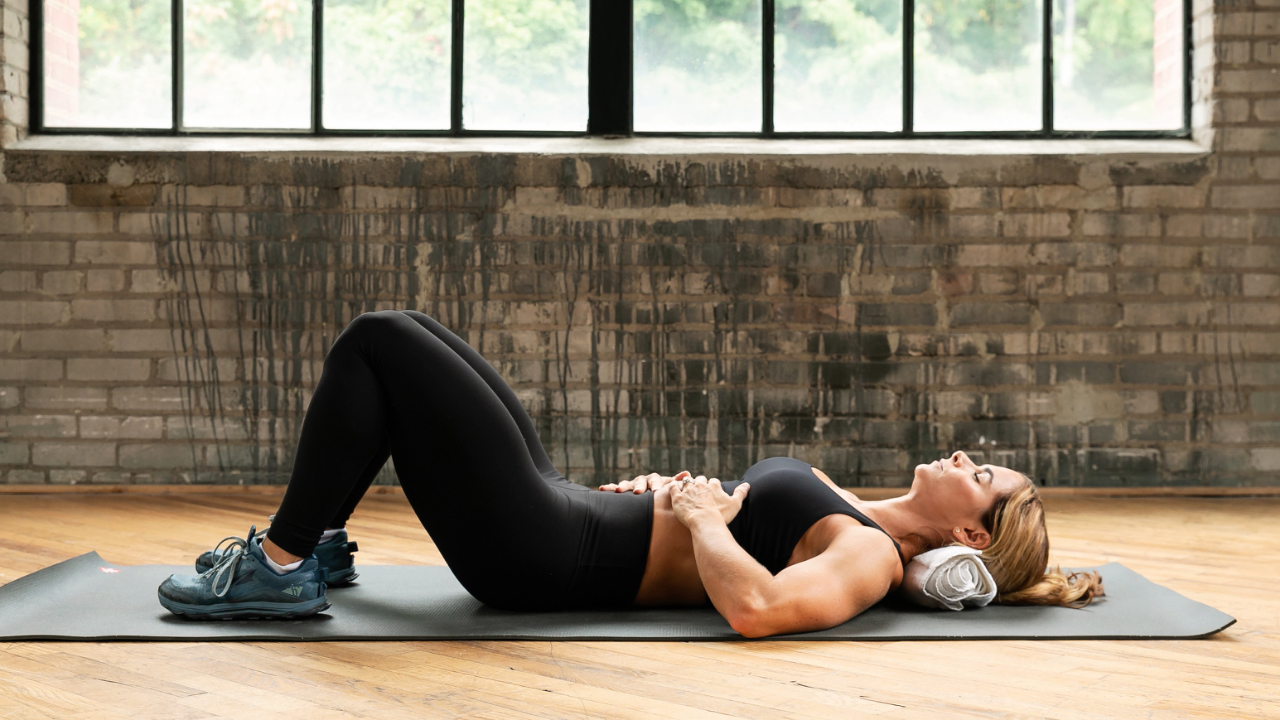
- Can you breathe in 360 degrees into the ribcage?This is step one. It not only helps connect to the pelvic floor but also ensures that you’re not exerting downward pressure on the pelvic floor by allowing air to fill the entire ribcage and back.
- Have you resolved habits of holding tension, such as abdominal gripping, buttock gripping, or maintaining a rounded posture?
- Can you feel your pelvic floor lengthen with an inhale and lift with an exhale?
- Have you addressed other restrictions, such as old scars from C-sections or abdominal surgeries (even if laparoscopic)?
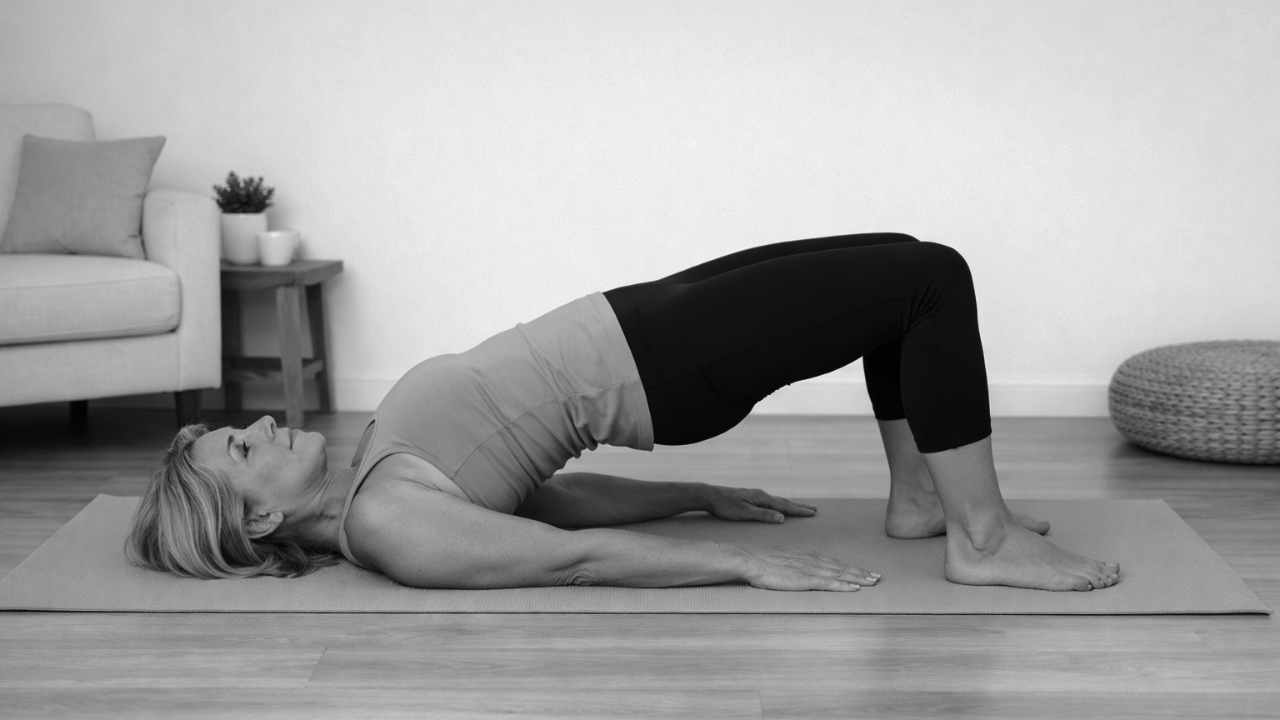
- Are you elevating your hips daily?
- Do you have good mobility in the muscles connected to the pelvic floor, including the inner thighs, glutes, hip rotators, and mid-back?
If you can’t affirmatively answer these questions, it’s advisable to start addressing these areas first.
After these considerations, then it would be appropriate to assess and enhance the strength of the pelvic floor and surrounding muscles.
Question 3: At what point do you recommend stopping pelvic floor physical therapy (PT)? I know it’s not a quick fix, but my urologist told me if I haven’t made any progress in 6 months, I should consider surgery.
Answer: My response is that this is always a very personal decision. My professional recommendation is to exhaust your conservative options first. The reason for this is simple: issues like stress incontinence and prolapse boil down to one thing—pressure control. Even if you opt for surgery, maintaining its integrity by not putting undue pressure on the area is crucial. You must grasp this concept for lasting success. Many people are satisfied with their surgical outcomes. However, I have also encountered individuals who faced additional issues post-surgery, such as scar tissue complications or a recurrence of prolapse and leaking, given the 30% failure rate of these surgeries. You must decide how much your dysfunction affects your life and what the right answer for you is. You are not bound by anyone else’s timeline. Remember, a surgery cannot be reversed, so I always urge you to be 100% certain that this is the next step for you. To assist in your decision-making, consider the following points regarding your rehab timeline:
- Unlearning habits in pelvic floor rehab can be lengthy. It can take up to 30 days for a new habit to stick.
- Muscle strength typically improves over a period of 6-8 weeks. You need to evaluate your starting point and desired outcome. Consider the time it will take to build the required level of strength.
- If you are postpartum, remember: it took 9 months for your body to undergo pregnancy changes; expect at least 9 months, if not a full year, to recover.
Found this blog post useful? I’d love to hear from you! Send me a message and spread the word by sharing it with your friends!
Cheering You On ♥️
– Caroline Packard, DPT
Leave a Reply Cancel reply




Browse by Category
Reclaim your strength today
Stop managing symptoms and start building real solutions with our pelvic floor workouts and exercises for women.
Learn more
HSA/FSA eligible
Copyright 2026, Connect Pelvic Floor Fitness. Fitness Disclaimer | Privacy | Terms & Conditions | Website design by Isla Luna Studio
Keep up with Connect
Explore
Download the app
Contact
FAQ
Account
Membership
About
Blog
Support
Pelvic floor workouts, training tips, and more from Caroline — straight to your inbox.
