
Caroline Packard is a pelvic floor physical therapist, certified yoga instructor, fitness enthusiast, and mom of three. Today, as a pelvic floor physical therapist with 15+ years of clinical expertise, she has built a method grounded in both professional knowledge and lived experience. Connect exists because every woman deserves to feel strong, confident, and limitless in her body.
Meet Caroline

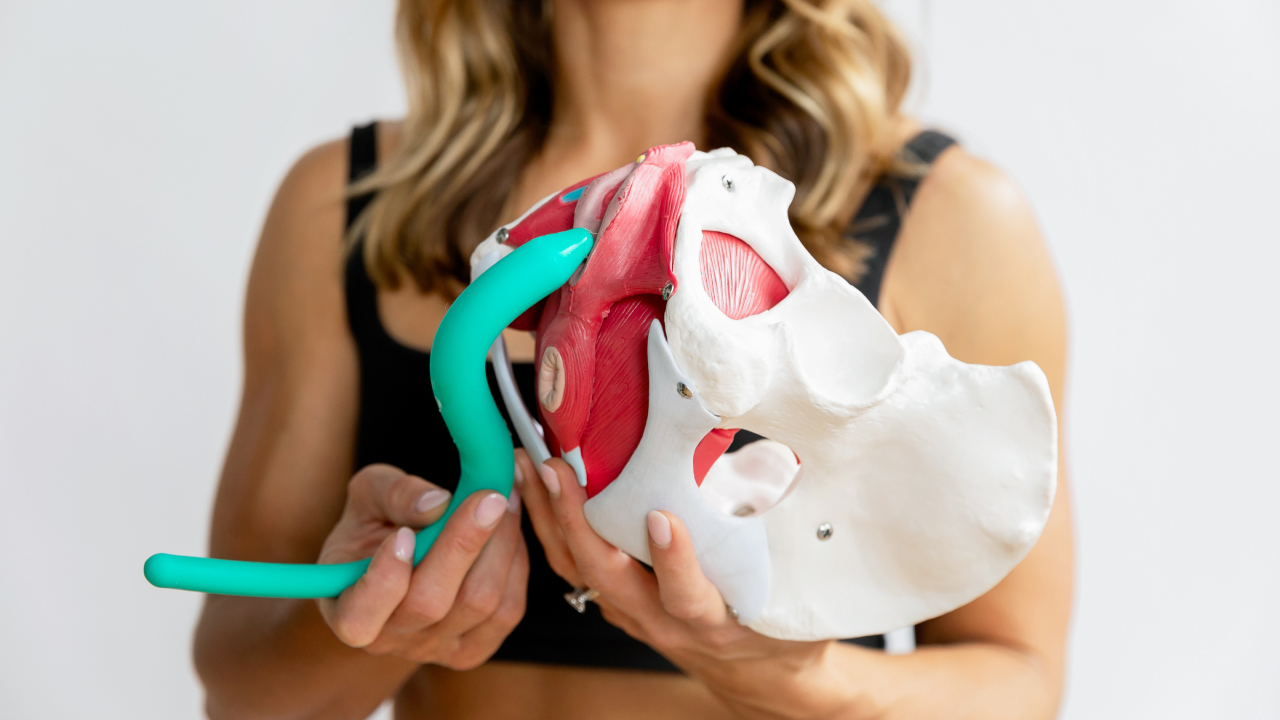
What is Pelvic Organ Prolapse (POP)?
Pelvic organ prolapse (POP) happens when one or more pelvic organs, like the bladder, uterus, rectum, or small intestine, shift out of place and push into the vaginal canal. If this sounds overwhelming, you’re not alone. POP is actually more common than you might think, yet so many women suffer in silence because it feels embarrassing to talk about or the prognosis from their healthcare provider leaves them feeling hopeless. But here’s the thing: this isn’t something you have to face quietly or on your own. A number of women will experience POP at some point in their lives, so let’s take the shame out of the conversation and focus on finding the support and resources you need.
This diagnosis doesn’t have to define you. I know this because I’ve been there. I was diagnosed with POP too. At the time, I was devastated, but I learned how to prioritize my pelvic floor and core strategy in overall total body fitness, to overcome these symptoms and now live an active, confident life. My goal is to empower you to do the same. Together, we can rewrite the narrative and show that POP is not the end of your story, it’s just one small chapter.
Now let’s take a deep dive into the details. First we will talk about the part that might feel a bit overwhelming, but stick with it as I include some resources that you will find helpful and practical steps to reducing or resolving your POP symptoms.
POP can develop due to a variety of factors, with vaginal childbirth being one of the most common contributors. Specific factors during childbirth that may increase the risk include:
👉🏼Delivering a large baby, a prolonged second stage of labor, episiotomy or forceps-assisted delivery, or an increased number of vaginal deliveries.
Other factors that may contribute to POP include:
👉🏼Chronic coughing or respiratory conditions, chronic constipation and straining, damage to the pudendal nerve, hysterectomy or pelvic surgeries.
Understanding these factors can help guide management of prolapse and the steps necessary to regain control of your symptoms.
Common Symptoms of POP include:
- A feeling of heaviness or pressure in the pelvis.
- A sensation that something is “falling out” or visible bulging.
- Urinary challenges, like leaking or difficulty starting a stream.
- Bowel difficulties, such as incomplete emptying or straining.
Types of Pelvic Organ Prolapse and How it’s Diagnosed:
Let’s take a closer look at the different types of prolapse to build that understanding. A doctor must confirm a diagnosis, but this can be your nudge to seek clarity and focus your efforts on the right path forward.
- ➡️ Bladder Prolapse (Cystocele): The bladder descends into the vagina.
- ➡️ Uterine Prolapse: The uterus descends into the vagina.
- ➡️ Rectal Prolapse (Rectocele): The rectum descends into the vagina.
- ➡️ Small Intestine Prolapse (Enterocele): The small intestine descends into the vagina.
POP is typically diagnosed by a healthcare professional during a physical exam. This is done under a valsalva, or a breath hold. As you hold your breath then bear down, the vaginal canal is visually inspected for organ descent. This test should be performed in both lying down AND standing (because we don’t live our life lying down!)
Severity of POP is classified by stages. It is given a stage based on how far 1 or more pelvic organs descend into the vaginal canal on that visual exam.
- Stage 1: organ descends into upper part of vagina >1 cm above hymen
- Stage 2: organ descends into the lower part of the vagina 1 cm above or beyond hymen
- Stage 3: organ descends beyond hymen/visible at the opening of the vaginal canal
- Stage 4: organ descends out of the vagina
The key to living with and managing pelvic organ prolapse is understanding what it entails. While the stage of prolapse, how far the organ descends into the vagina, is typically not reversible or likely to show significant visible improvement, the focus is on SYMPTOM MANAGEMENT.
In some cases, slight improvements in organ positioning may be observed, but this is generally not the primary goal. Instead, managing prolapse involves minimizing symptoms by reducing the downward pressure exerted on the pelvic organs. When this pressure is effectively controlled, common symptoms such as heaviness, a sensation of “falling out,” and leakage can be alleviated.
By managing these symptoms, prolapse becomes less of a barrier to daily living, allowing you to maintain your quality of life and engage in your usual activities with greater comfort and confidence.
For example, I still have a stage 2 bladder and uterine prolapse as confirmed by physical exam, yet I am completely asymptomatic and able to fully participate in the activities I love without any limitations because I have learned how to manage my pressure.
Rather than avoiding activities based solely on a diagnosis, learning effective symptom management empowers you to make choices based on your ability to manage pressure. This shift allows you to engage in the things you love with confidence and freedom instead of fear of making your prolapse worse.
Managing Prolapse
Stages 1–3 of prolapse can often be effectively managed without surgery. However, this is a deeply personal decision. Some individuals with stage 3 prolapse manage their symptoms well with conservative methods, while others may choose surgery if symptoms become unmanageable.
It’s important to emphasize that symptom presentation—not the position of the pelvic organs—is the best indicator of how well prolapse is being managed.
Conservative management focuses on strategies to control intra-abdominal pressure, including:
- Strengthening the muscles that support the pelvis and pelvic floor
- Optimizing breath patterns and muscle activation to reduce pressure on the pelvic floor
- Improving ribcage mobility to evenly distribute pressure across the pelvic floor
It sounds too simple, but by addressing these areas, it’s possible to minimize symptoms and improve quality of life, even with a prolapse diagnosis. Also check out this free resource, Managing Prolapse, Daily Tips for Conservative Management.
Taking Action
The good news is that prolapse symptoms can often be reduced or resolved with the right approach. Key steps include:
- Lifestyle Adjustments: Small changes, like proper lifting techniques and avoiding straining (by learning breathing techniques with your pelvic floor), can make a big difference.
- Targeted Exercises: Building coordination and strength in your pelvic floor and core through exercises that reduce tension and gradually rebuild support.
- Bathroom Habits: Addressing bowel movement mechanics can be critical for prolapse management to minimize unnecessary pressure on organs. Learn more in our guide, Prolapse and BMs which covers strategies to ease bowel movements while reducing strain on your pelvic floor.
- Checklist of what to look for in movement and daily activities:
- Alignment for pressure distribution: Ribs over pelvis.
- No breath holding: Exhale to release built up pressure instead of bottling up on pelvic floor.
- Be able to fully relax pelvic floor and contract: Muscular strength and function come from muscles that can move through their full range of motion.
- If you feel any downward pressure or feelings or prolapse, you need to assess where you are not controlling pressure and change technique or decrease weight (I teach you to learn this in your body in Pelvic Floor Foundations).
- If you can breathe and move in muscle coordination patterns that are correct, then nothing is off limits for prolapse.
- Number 1 rule of living with prolapse- assess your symptom response, if you are not increasing symptoms and following above guidelines, then you don’t need to restrict those movements.
- Optional Tools: Devices like pessaries can provide support and help you stay active while addressing symptoms.
- A Path Forward
Prolapse is not a life sentence. With the right tools, strategies, and support, you can regain confidence, strength, and the ability to enjoy your favorite activities without fear or discomfort. Whether you’re newly diagnosed or have been managing POP for years, it’s never too late to take steps toward feeling better.
Looking for More Guidance on How to Make This a Reality in Your Life?
Join my Connect Pelvic Floor Fitness program, where I will guide you every step of the way, and we will work together to alleviate your POP symptoms. You will also have access to our amazing coach in our supportive Facebook community to share your wins, concerns and questions as you are on this journey. You don’t have to navigate this journey alone. Start your 14-day free trial today, and take the first step toward living symptom-free and reclaiming your freedom.
Cheering you on ♥️
– Caroline
Leave a Reply Cancel reply



Browse by Category
Reclaim your strength today
Stop managing symptoms and start building real solutions with our pelvic floor workouts and exercises for women.
Learn more
HSA/FSA eligible
Copyright 2026, Connect Pelvic Floor Fitness. Fitness Disclaimer | Privacy | Terms & Conditions | Website design by Isla Luna Studio
Keep up with Connect
Explore
Download the app
Contact
FAQ
Account
Membership
About
Blog
Support
Pelvic floor workouts, training tips, and more from Caroline — straight to your inbox.

This is the most helpful post I’ve seen on this topic. https://traderzo.com/cryptocurrency-trading-complete-guide-for-new-and-experienced-traders/
Thank you and I am happy it resonated with you!