
Caroline Packard is a pelvic floor physical therapist, certified yoga instructor, fitness enthusiast, and mom of three. Today, as a pelvic floor physical therapist with 15+ years of clinical expertise, she has built a method grounded in both professional knowledge and lived experience. Connect exists because every woman deserves to feel strong, confident, and limitless in her body.
Meet Caroline

If kegels were the answer, more women would already be better.
Yet for years, women have been given a single exercise as a blanket prescription for pelvic floor dysfunction.
And I have to ask: in what world has one exercise ever been the solution to a complex problem?
If you had a knee injury, no one would say, “Just do this one thing.”
A shoulder issue? Same story.
Low back pain? You’d expect a full assessment and a multi-layered plan.
But when it comes to the pelvic floor, an area responsible for: continence, support, pressure management, sexual function, and coordination with the entire body, women are told to squeeze one muscle and expect it to fix leakage, urgency, pressure, and pain.
That’s not how the pelvic floor works.
How the Pelvic Floor Actually Functions
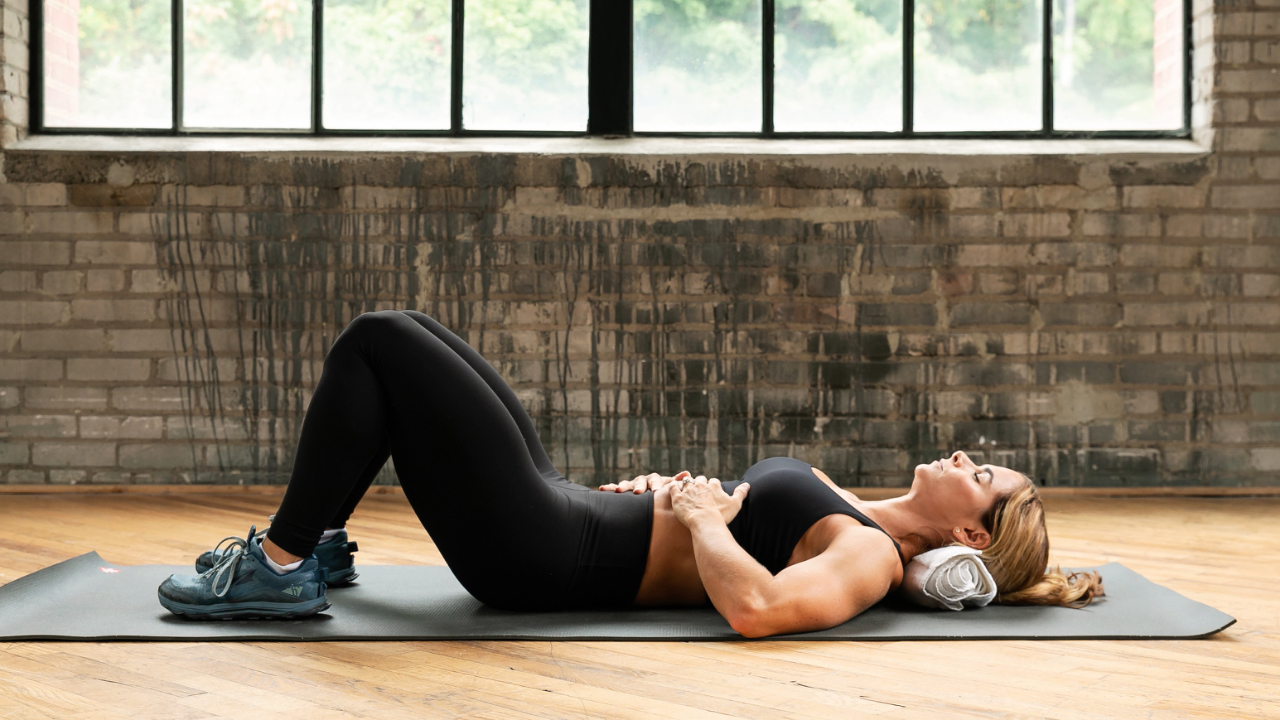
The pelvic floor does not work in isolation. It works as part of a pressure system that is driven by your breath.
When you inhale:
- The diaphragm descends
- The rib cage expands
- The pelvic floor lengthens and descends
When you exhale:
- The diaphragm rises
- The ribs come down
- The pelvic floor lifts and recoils
This ability to lengthen and lift is essential. A muscle that cannot fully lengthen cannot respond quickly or effectively when you need it: like during coughing, running, jumping, or lifting.
Kegels don’t teach this system. They don’t address breathing, pressure management, or coordination. And they often miss the real reasons symptoms are happening in the first place.
Here are 11 reasons Kegels don’t work and why:
1. Most Women Have Too Much Pelvic Floor Tension, Not Too Little
Many women live in a constant state of holding:
- Sucking in the belly
- Clenching their butt
- Bracing the core more than needed
Over time, the pelvic floor becomes overactive and shortened. When a muscle is stuck in tension, it loses its ability to respond appropriately. Adding kegels on top of chronic tension doesn’t strengthen the pelvic floor, it reinforces the dysfunction.
2. Breathing Patterns Drive Pelvic Floor Function
Your pelvic floor responds to how you breathe.
Shallow breathing, chest breathing, or breath holding means:
- The diaphragm doesn’t descend well
- Pressure isn’t distributed effectively
- The pelvic floor absorbs force it shouldn’t
Kegels don’t retrain breathing. Without restoring proper breath mechanics, strengthening alone falls flat.
3. Bowel and Bladder Habits Rewire Muscle Coordination
The pelvic floor learns patterns based on what you repeatedly ask it to do.
- Hovering over the toilet
- Straining to poop
- “Just in case” peeing
These habits teach the pelvic floor to fire at the wrong time or stay tense when it should relax, leading to urgency, incomplete emptying, and leakage, regardless of how strong the muscle is.
4. Chronic Constipation Undermines Pelvic Floor Support
Constipation isn’t just uncomfortable, it changes pelvic mechanics.
- Repeated straining weakens pelvic floor support
- A full rectum leaves less room for the bladder to expand
- Less space means more urgency and leakage
No amount of kegels can override poor bowel mechanics.
5. Dietary Triggers Can Drive Bladder Symptoms
Bladder symptoms are not always a strength issue. I have previous detailed blog about it, check it out.
Common irritants include:
- Coffee
- Carbonation
- Acidic foods
- Artificial sweeteners
These can increase urgency and frequency even when pelvic floor strength is adequate. Strengthening a muscle doesn’t reduce bladder irritation.
6. Rib Flare Disrupts Pressure Control
When the ribs flare up and forward:
- Pressure is pushed downward
- The pelvic floor takes on excessive load
- Symptoms appear during daily movement and exercise
Kegels don’t correct rib position or restore pressure balance.
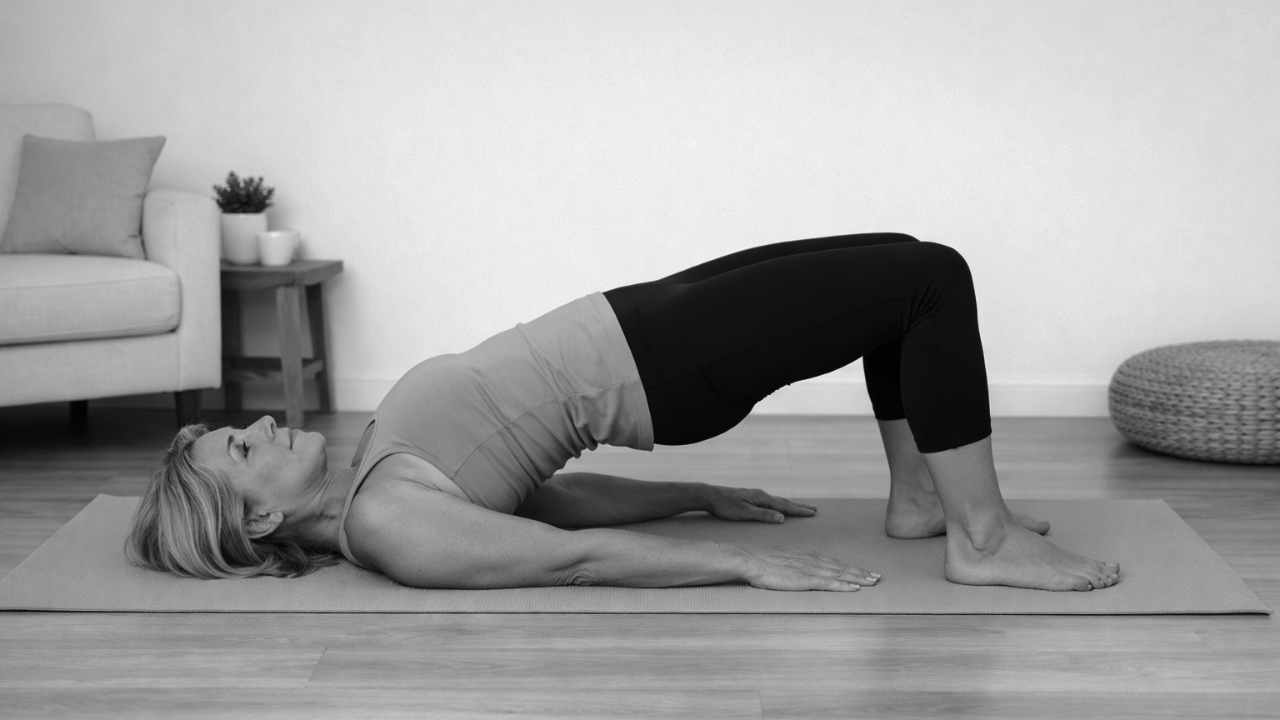
7. Hip and Glute Weakness Forces the Pelvic Floor to Compensate
The glutes attach to the sacrum, the bone at the back of the pelvis which is the same structure that supports the pelvic floor. When the glutes are weak:
- The pelvic floor works overtime
- The tailbone can be pulled under
- Tension patterns develop
AND research shows that improving hip abduction and external rotation strength can reduce urinary urgency and frequency, even without pelvic floor strengthening.
That’s a full-body problem, not a local one.
8. Hypermobility Creates a Need for Stability
The pelvic floor often works overtime in this scenario.
When the body senses instability elsewhere, especially in hypermobile individuals, it often recruits the pelvic floor to create control.
- Constant gripping
- Difficulty relaxing
- Worsening symptoms when more kegels are added
Instead, providing the strength and stability throughout the rest of the body allows the pelvic floor to relax and return to its normal function.
9. Foot Mechanics Affect the Pelvic Floor
Your feet are your foundation.
They need to pronate (aka, arch, flatten) and supinate (aka, create a rigid arch) to:
- Absorb shock
- Allow rotation at the hip
- Distribute forces efficiently
When foot mechanics are limited, forces travel upward, and the pelvic floor often pays the price.
Kegels don’t address this chain.
10. Scar Tissue Changes How Muscles Communicate
C-sections, abdominal surgeries, episiotomies, and perineal tearing all affect:
- Tissue mobility
- Sensation
- Muscle timing
Scar tissue can disrupt how the pelvic floor coordinates with the rest of the core. Strengthening without restoring movement and connection leaves gaps in function.
11. Jaw Tension Is Linked to Pelvic Floor Tension
The jaw, diaphragm, and pelvic floor are neurologically connected.
Chronic jaw clenching often mirrors:
- Breath holding
- Core bracing
- Pelvic floor gripping
You can’t out-kegel a stressed nervous system.
The Bottom Line
Kegels were sold as a shortcut.
But the pelvic floor doesn’t work in isolation, and neither should your approach to resolving pelvic floor issues.
Leakage, urgency, pressure, and pain are rarely just strength problems. They’re often about coordination, pressure management, habits, mobility, and stability.
When we stop chasing isolated squeezes and start restoring how the body actually works, real change happens.
Want a plan that actually addresses the whole picture?
That’s exactly what I do inside my membership.
Instead of guessing or piecing together random exercises, you get a total-body approach that addresses breath and pressure control, bowel and bladder habits, hip and glute strength, foot mechanics, mobility, scar tissue considerations, and nervous system patterns.
If you’re ready to stop doing “more kegels” and start following a method built for real life and real results, join me inside the membership.
Leave a Reply Cancel reply



Browse by Category
Reclaim your strength today
Stop managing symptoms and start building real solutions with our pelvic floor workouts and exercises for women.
Learn more
HSA/FSA eligible
Copyright 2026, Connect Pelvic Floor Fitness. Fitness Disclaimer | Privacy | Terms & Conditions | Website design by Isla Luna Studio
Keep up with Connect
Explore
Download the app
Contact
FAQ
Account
Membership
About
Blog
Support
Pelvic floor workouts, training tips, and more from Caroline — straight to your inbox.

I like how everything is explained step by step. https://traderzo.com/artificial-intelligence-trading-systems-how-ai-executes-smarter-trades/
Thank you so much!